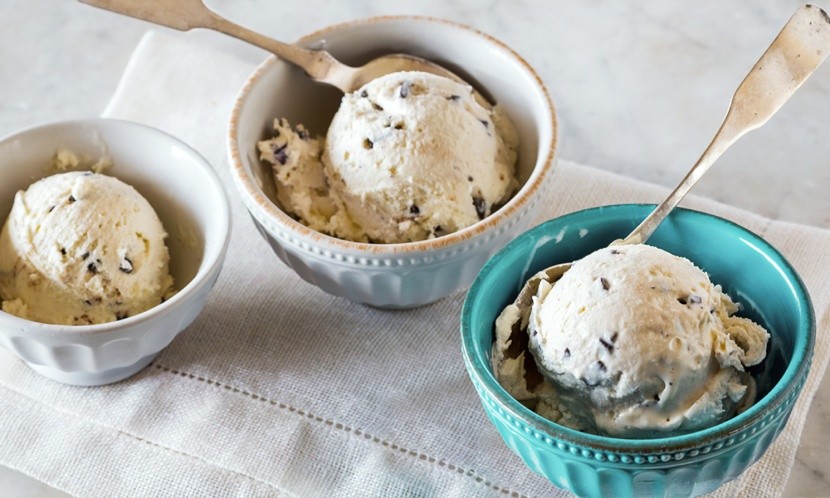
For many, the idea of eating ice cream after exercise seems indulgent—but emerging science suggests it can be a strategic recovery tool when done correctly. Here’s how to leverage chilled treats to replenish energy, repair muscles, and even enhance fat loss.
🔥 Why Your Body Craves Nutrients After Exercise
During workouts, your body depletes glycogen stores and loses fluids/electrolytes through sweat
. Post-exercise nutrition aims to:
- Rebuild muscle proteinsdamaged during training
- Restore glycogen levelsfor future energy
- Rehydrate and balance electrolyteslike sodium and potassium
Skipping post-workout nutrition can lead to prolonged fatigue, muscle breakdown, and hindered progress.
🍦 The Surprising Role of Ice-Cold Foods in Recovery
Certain ice-based snacks—when chosen wisely—can deliver ideal nutrients efficiently:
| Ice Food Example | Key Nutrients Provided | Synergy with Recovery Goals |
| Italian-style low-fat strawberry ice cream (2 scoops) + milk | Fast-acting carbs + protein + calcium | Glycogen replenishment + muscle repair; calcium aids muscle contraction |
| Chocolate cone + unsweetened soy milk (450ml) | Carbs + plant-based protein + electrolytes | Sustained energy release + reduced inflammation |
| Strawberry ice pop + 2 hard-boiled eggs + banana | Carbs + protein + potassium | Electrolyte balance + muscle cramp prevention |
💡 Science Note: Cold foods help lower core body temperature after heat-generating exercise, reducing perceived exertion and accelerating cooling.
🧊 How to Choose & Customize Your Post-Workout Ice Treat
✅ Priority #1: Macronutrient Balance
- Carbs + Protein Combo: Aim for a 3:1 to 4:1 ratio(carbs to protein) for aerobic workouts; 2:1 for strength training.
Example: A banana (30g carbs) + 1 cup milk (8g protein) ≈ 4:1 ratio. - Low-Fat Options: Avoid creamy, high-fat ice creams—opt for sorbets or fruit-based bars to prioritize quick digestion.
✅ Priority #2: Electrolyte Support
After intense sweating (>30 mins), include sodium/potassium sources:
- Natural choices: Banana (potassium), salted nut toppings (sodium)
- Enhanced options: Electrolyte-infused ice pops or low-sugar sports drinks
✅ Priority #3: Timing & Temperature Control
- Wait 30 minutespost-exercise before consuming ice to avoid stomach shock
- Let ice treats soften slightlyto prevent tooth/mouth sensitivity
- Pair with room-temperature waterto maintain hydration without overcooling the digestive system
⚠️ Pitfalls to Avoid
- Sugar Overload: Many commercial ice creams contain >20g added sugar—excess sugar blunts fat loss and spikes inflammation. Check labels for <10g sugar per serving.
- Calorie Misalignment: Light exercise (e.g., walking) needs only hydration; save ice treats for sessions burning >300 calories.
- Ignoring Underlying Conditions: Those with diabetes or kidney issues should consult a doctor—electrolyte imbalances risk complications.
🌱 DIY Healthy Ice Treat Recipes
Protein-Packed Chocolate Ice Pops (Serves 4)
- Mix: 1 cup Greek yogurt + 2 tbsp cocoa powder + 1 mashed banana + ½ cup milk
- Freezein molds for 4 hours → Each pop: ~12g protein, 18g carbs
Electrolyte Recovery Slushie
- Blend: 1 cup coconut water + ½ cup frozen strawberries + pinch of sea salt
- Freeze 1 hour→ Scrape into a slushie; rich in potassium/sodium
💡 When to Skip the Ice
Ice-based recovery works best for:
- High-intensity workouts in heat
- Activities causing significant sweating (e.g., running, cycling)
- Individuals without cold sensitivity or digestive issues
Avoid if: You’re fasting, have Raynaud’s syndrome, or experience exercise-induced asthma triggered by cold.
💎 The Takeaway
Strategic ice consumption post-workout isn’t a cheat—it’s a science-backed way to combine nutrient replenishment with psychological reward. By selecting low-sugar, protein-enhanced options and timing them wisely, you can turn a cool treat into a powerful recovery tool.
Remember: The goal isn’t just to eat ice—it’s to refuel intelligently so you’re stronger for your next session.