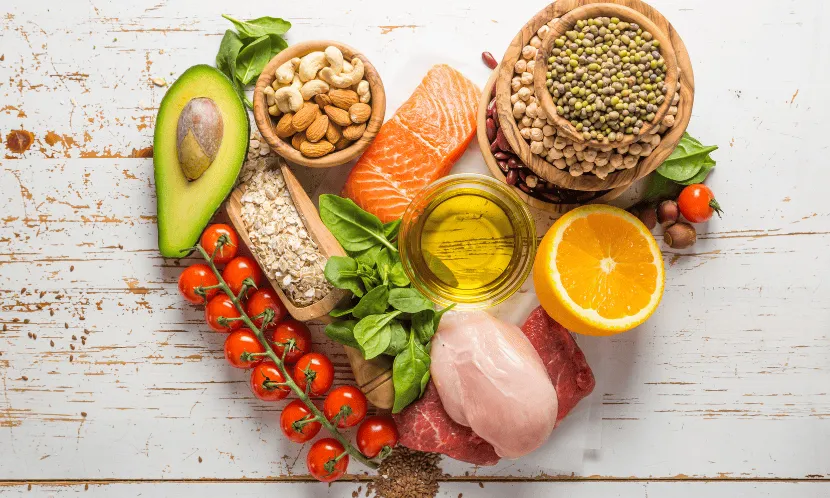
Many health outcomes are not predetermined by genes but shaped by what we eat and how we live—choices that directly influence gene expression and cellular biology. By understanding how food communicates with your cells, you can make daily decisions that fundamentally transform your well-being. Here’s how to eat for energy, balance, and long-term health.
🧠 Principle 1: Food Builds—and Talks to—Your Cells and Microbiome
Your body is literally constructed from food. Every meal provides the “building blocks” that become your cells, hormones, neurotransmitters, and even the microbiome governing your mood and immunity. Examples include:
- Cell Membranes: Omega-3 and Omega-6 fatty acids directly shape membrane flexibility and inflammation response. Shift toward walnuts, flaxseeds, and fatty fish to improve this balance within days.
- Cellular Signaling: Anti-inflammatory compounds in turmeric or sulforaphane in broccoli act like “keys” that turn on genes to reduce oxidative stress.
- Gut Microbiome: Fiber-rich foods (e.g., oats, legumes) and polyphenols (berries, green tea) feed beneficial bacteria, which then produce mood-regulating neurotransmitters and immune-boosting short-chain fatty acids like butyrate.
🥦 Principle 2: Eat What Your Cells Actually Need
No single diet works for everyone because cellular needs vary. The goal is to choose foods that help your cells function optimally—whether that means reducing chronic inflammation, stabilizing energy, or improving mental clarity.
- Tailor Your Plate: If you experience fatigue, prioritize iron-rich foods (lean red meat, spinach) and B vitamins (whole grains). For brain fog, include choline (eggs) and omega-3s (salmon).
- Listen to Symptoms: Cravings often signal unmet cellular needs. For example, magnesium deficiency may drive chocolate cravings—try nuts or dark leafy greens instead.
📡 Principle 3: Food Is a Language—Speak Clearly to Your Body
Every ingredient sends specific instructions to your cells:
| Food | Message to Your Body |
| Omega-3s | “Reduce inflammation—it’s safe to relax.” |
| Cruciferous Veggies | “Activate detox pathways and protect DNA.” |
| Leucine (in poultry, lentils) | “Build muscle now.” |
| Magnesium (pumpkin seeds, spinach) | “Calm nerves and ease muscle tension.” |
| Fiber | “Nourish the gut microbiome.” |
| Fasting | “Clean up damaged cells and renew.” |
Avoid messages from pesticides or ultra-processed foods, which disrupt cellular communication.
🚫 Principle 4: Cravings Mean Your Cells Are Confused
Intense cravings often stem from your cells or microbiome struggling with inadequate nutrients or artificial foods.
- Reset with Whole Foods: Processed foods hijack reward pathways with “variable rewards” (e.g., unpredictable sugar/fat ratios). By eating only whole, unprocessed foods for 1–2 months, you can recalibrate your body’s hunger signals.
- Address Deficiencies: Craving sugar? Try chromium-rich broccoli or cinnamon to stabilize blood sugar. Craving salt? Ensure adequate electrolytes like potassium (bananas) and magnesium.
🌱 Principle 5: Ignore Diet Trends—Focus on Whole Foods
Instead of following rigid diets (keto, vegan, etc.), prioritize nutrient density and bioavailability:
- Choose Local and Seasonal: Fresh, soil-grown produce contains more minerals and phytonutrients.
- Combine Smartly: Pair vitamin C-rich foods (bell peppers) with iron sources (spinach) to enhance absorption.
- Avoid “Empty” Calories: Refined sugars and flours lack the micronutrients cells need to function, leading to overeating as your body seeks missing nutrients.
🙏 Principle 6: Eat Mindfully—Connect to the Journey of Food
Food is ultimately transformed sunlight. Plants capture photons, converting them into glucose, which mitochondria in your cells later turn into ATP—the energy driving every thought and action.
- Practice Gratitude: Before eating, pause to acknowledge the chain of life that brought food to your plate.
- Eat Slowly: This improves digestion and satisfaction, reducing overeating.
- Choose with Intention: When you view food as a sacred source of energy, making healthy choices becomes intuitive.
💎 Key Takeaways
- Food builds your body’s structure and directs its function—choose anti-inflammatory fats, colorful plants, and fiber.
- Cravings are clues—address them with whole foods, not processed substitutes.
- There’s no one-size-fits-all diet—focus on whole foods that make you feel vibrant.
- Mindfulness transforms eatingfrom a task into a healing ritual.
By realigning your diet with these principles, you empower your cells to thrive—creating health from the inside out.