Alzheimer’s disease has long been one of medicine’s most challenging puzzles. Recently, a Harvard Medical School study on mice has sparked widespread interest: researchers found that lithium levels were significantly lower in the brains of mice with Alzheimer’s-like symptoms, and when supplemented with micro-doses of lithium, their memory showed remarkable improvement.
While still in the animal trial stage and not directly applicable to humans, this discovery opens a promising new direction for combating Alzheimer’s. It also raises public curiosity: What is lithium, and why might this less-familiar trace element be key to brain health?
What Is Lithium, and How Does It Affect the Body?
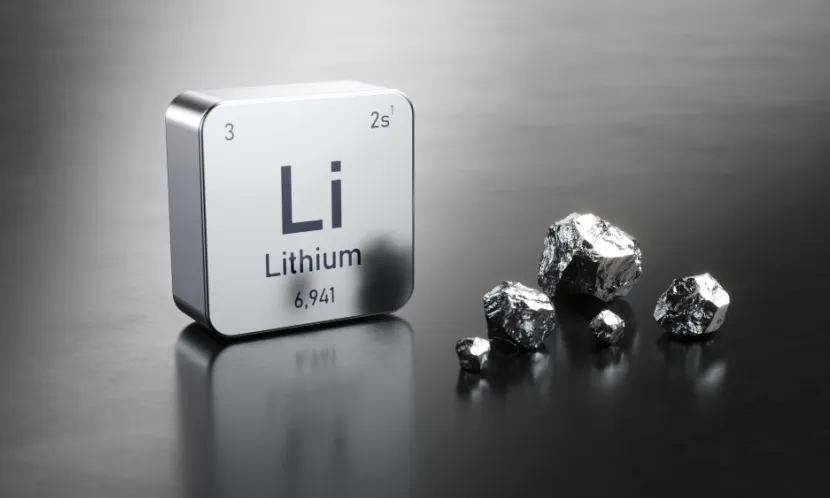
Lithium (Li) is an alkali metal, related to sodium and potassium on the periodic table. Though required by the body only in trace amounts, it plays a significant physiological role.
For decades, lithium has been used in psychiatric treatment. Lithium carbonate, under strict medical supervision, is a gold-standard therapy for bipolar disorder, effectively stabilizing mood and reducing episodes of mania. Beyond psychiatry, growing research suggests lithium’s benefits may be broader:
Neuroprotective Effects: Studies indicate lithium may help protect nerve cells from damage and enhance connections between neurons, potentially explaining its link to improved memory.
Regulation of Neurotransmitters: It influences the balance of dopamine and serotonin, impacting both mood and cognitive function.
Anti-inflammatory and Antioxidant Properties: Lithium may help reduce brain inflammation, which is implicated in many neurodegenerative diseases.
Lithium vs. Lithium Salts: Who Needs Medical Lithium?
It’s important to distinguish between the element lithium and its clinical use. Pure metallic lithium is highly reactive and not used directly. In medicine, stable lithium salts (like lithium carbonate) are prescribed, primarily for:
Bipolar Disorder: To control manic episodes and prevent mood swings.
Treatment-Resistant Depression: As an add-on therapy when standard antidepressants are ineffective.
Due to its narrow therapeutic window—where the effective dose is close to the toxic dose—lithium treatment requires regular blood monitoring to avoid side effects like tremors, kidney issues, or toxicity.
Dietary Sources of Lithium: How to Get It Naturally
Lithium is widely distributed in nature, primarily through soil and water. Daily intake comes mainly from:
Drinking Water: This is a key source, though levels vary greatly by region.
Vegetables and Grains: Plants absorb lithium from soil; leafy greens, nuts, legumes, and spices like turmeric and cumin are relatively rich.
Seafood and Some Meats: Though generally in lower amounts.
Most people obtain sufficient lithium through a balanced diet. No official daily intake has been established, and targeted supplementation is not currently recommended without medical guidance.
Who Might Be at Risk of Lithium Deficiency?
Severe dietary deficiency is uncommon, but lower levels may occur in people who:
Reside in areas with low lithium concentrations in water.
Have poor dietary variety or low fluid intake.
Some epidemiological studies suggest a correlation between low environmental lithium exposure and higher rates of depression or dementia, though this remains an area of active research.
⚠️ Caution: The Risks of Self-Supplementing
Lithium should not be taken without medical supervision. The line between a beneficial dose and a harmful one is very fine. Overdose can lead to:
Nausea, vomiting, hand tremors
Kidney impairment, irregular heartbeat, and in severe cases, can be life-threatening.
The success of the Harvard study was based on very low, carefully controlled doses of lithium orotate—distinct from typical psychiatric dosing. Self-experimentation is dangerous.
The Future of Lithium in Alzheimer’s Therapy
This research offers a compelling new angle: that correcting a lithium deficiency might help break the cycle of amyloid buildup and cognitive decline. However, researchers emphasize that it’s too early to recommend lithium as a supplement for dementia prevention.
Key questions remain:
How does lithium precisely interact with Alzheimer’s pathology in humans?
What is the optimal dose and form (e.g., lithium orotate) for safety and efficacy?
Can long-term micro-dosing prevent or slow cognitive decline?
While a breakthrough treatment is not yet here, each study like this brings science closer to effective strategies against Alzheimer’s.