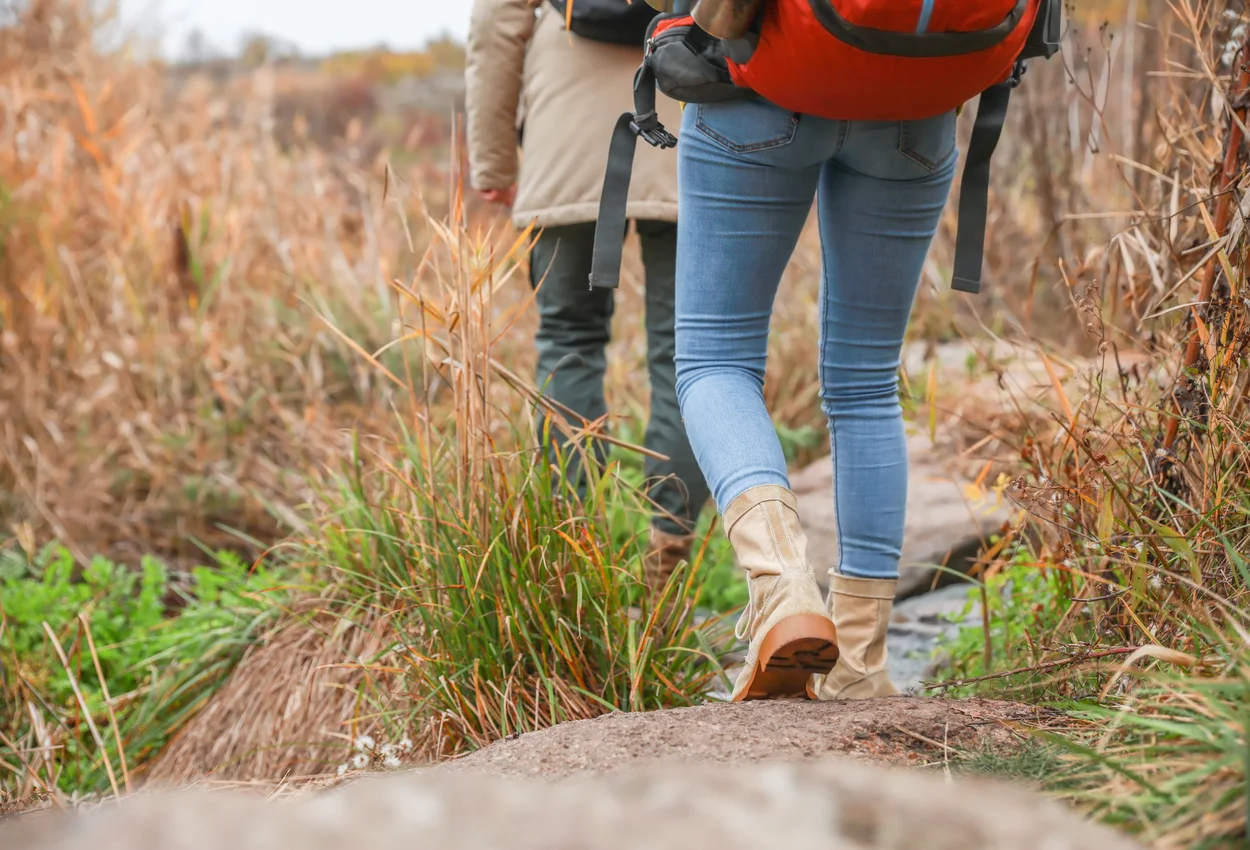
Many people feel their stamina decline with age, but Dr. Hiroshi Nose, a Japanese sports medicine specialist, defies this trend. At 73, his physical fitness matches that of someone in their 20s—he even tackles mountain trails with 900-meter elevation gains in a single day. His secret? Three simple yet powerful habits sustained over years.
1. Hike Twice a Month: Boost Strength, Bone Density & Mental Clarity
Dr. Nose maintains a routine of hiking 1–2 times per month, tackling routes with 300–900 meters of elevation gain in a single day. Key benefits include:
- Sunlight exposure for natural Vitamin D synthesis.
- Cardiovascular and lower-body strength training, enhancing balance and bone density.
- Stress relief and immune support: Studies suggest forest bathing reduces stress and may boost anti-cancer immune cell activity.
For older adults, gentle suburban trails are ideal. To protect knees during ascents/descents, orthopedist Dr. Chen Yu-Hong recommends:
- Land with the full foot, knees slightly bent, chest lifted to engage core/hip muscles.
- Use hiking poles to distribute pressure and improve stability.
2. Weekly “Interval Fast Walking”: Build Muscle Without Gym Equipment
Dr. Nose credits his stamina to “Interval Fast Walking” 4 days/week. This method, performed at ~70% of max capacity, builds muscle comparably to weight training—without soreness or breathlessness.
How to practice:
- Basic version: 3 minutes fast walking (to mild breathlessness) + 3 minutes slow walking, repeated 5 times (total 30 minutes).
- Advanced version: Extend to 5-minute intervals.
- Weekly goal: Accumulate 60 minutes of fast walking for optimal results.
Posture tips:
- Gaze forward, chin tucked, chest open.
- Bend elbows 90° and swing arms naturally.
- Take slightly larger steps, landing on the heels.
- Avoid twisting the waist; move in a straight line.
In a 5-month study of 9,700 middle-aged/older participants, this method:
- ↑ Improved physical strength by 10%.
- ↓ Reduced hypertension, high blood sugar, and obesity by 20%.
- ↑ Enhanced sleep/cognitive function by 30%.
- ↑ Increased lumbar and femur bone density by 1%.
It also alleviated knee/low-back pain in 50% of participants. For those with joint concerns, walking aids (poles, rollators) can be used.
3. Post-Workout Milk: Fuel Muscle Synthesis
Within 30 minutes after exercise, Dr. Nose drinks 1–2 cups of milk. Dairy provides:
- Whey protein: Rich in branched-chain amino acids, stimulating muscle synthesis.
- Casein: Supplies essential amino acids, reducing muscle breakdown over time.
This simple habit amplifies the benefits of exercise by supporting muscle recovery and growth.
Key Takeaway
Dr. Nose’s approach demonstrates that sustainable habits—regular hiking, interval walking, and strategic nutrition—can profoundly reverse age-related decline. By adapting these principles, anyone can build resilience and vitality at any age.
🌱 To get started: Choose a local trail for weekend hikes, incorporate 10-minute interval walks into your daily routine, and enjoy a glass of milk after activity. Consistency matters more than intensity!