Intimate health is a priority for many women, but issues like itching, discomfort, and recurrent infections can undermine both physical well-being and confidence. While cranberries and probiotics are well-known allies, a rising star in feminine care—D-mannose—offers a science-backed, natural approach to preventing urinary tract infections (UTIs). Here’s a comprehensive guide to what it is, how it works, and how to use it safely.
🔬 What Is D-Mannose?
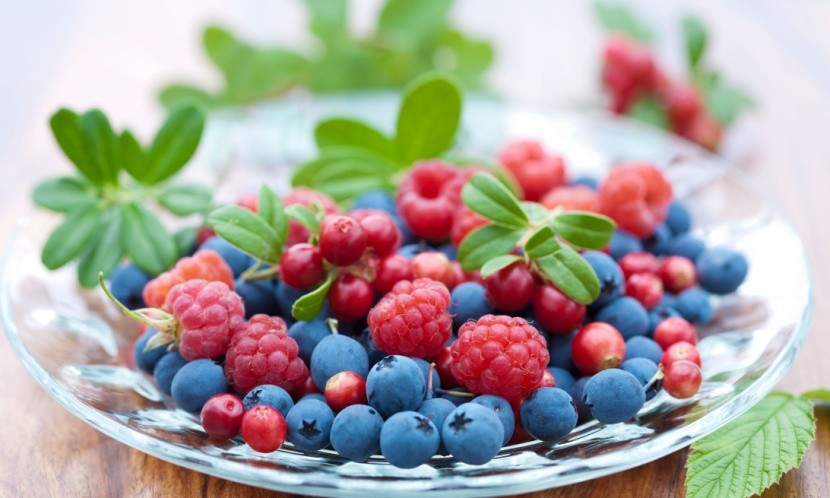
D-mannose is a naturally occurring simple sugar (monosaccharide) found in small amounts in fruits like cranberries, blueberries, apples, and peaches. Though structurally similar to glucose, it behaves differently in the body:
- Minimal impact on blood sugar: Unlike glucose, D-mannose is poorly metabolized, with about 90% excreted unchanged in urine within hours.
- Mechanism of action: It acts as a decoyfor harmful bacteria, particularly coli (responsible for ~90% of UTIs). These bacteria use hair-like structures called fimbriae to attach to urinary tract walls. D-mannose binds to these fimbriae, preventing adhesion and allowing bacteria to be flushed out during urination.
💊 Key Health Benefits of D-Mannose
1. Prevents Recurrent UTIs
- Evidence: A 2014 study involving 308 women with recurrent UTIs found that D-mannose reduced recurrence rates comparably to low-dose antibiotics, with fewer side effects.
- Comparison to cranberries: Both work by inhibiting bacterial adhesion, but D-mannose targets the mechanism more directly. Cranberries contain proanthocyanidins (PACs) that achieve similar effects.
2. Soothes Bladder Inflammation
- D-mannose can alleviate UTI symptoms like urgency, pain, and frequency by forming a protective layer on the bladder mucosa, reducing irritation.
3. Supports Gut Health
- As a prebiotic, it promotes the growth of beneficial bacteria (e.g., Lactobacillus) while discouraging pathogens. A balanced gut microbiome indirectly boosts immunity against UTIs.
🥗 How to Incorporate D-Mannose into Your Routine
Dietary Sources
| Food Source | D-Mannose Content (Approx.) | Practical Tips |
| Cranberries | Moderate (plus PACs) | Opt for unsweetened juice or supplements to avoid excess sugar. |
| Apples, Peaches, Blueberries | Low | Include as part of a balanced diet; insufficient for therapeutic doses. |
| Broccoli, Green Beans | Trace amounts | Pair with other UTI-fighting foods like garlic or probiotics. |
💡 Note: Foods alone rarely provide enough D-mannose for therapeutic effects. Supplements (powders/capsules) are typically needed for doses of 500–3,000 mg daily.
Supplement Guidelines
- Timing: Take with plenty of water, ideally post-mealto avoid stomach upset.
- For prevention: 500–1,000 mg daily; for acute symptoms, 1,500 mg twice daily (consult a doctor first).
- Synergistic combinations: Pair with cranberry extract (for PACs) and probiotics (e.g., Lactobacillus rhamnosus) for enhanced protection.
⚠️ Safety, Side Effects, and Special Considerations
Potential Side Effects
- GI issues: High doses (>2,000 mg) may cause bloating or diarrhea due to osmotic effects in the gut.
- Allergies: Rare but possible; discontinue if rash or breathing difficulties occur.
- Drug interactions: None reported, but discuss with a doctor if taking immunosuppressants or diuretics.
Critical Precautions
- Diabetes: D-mannose has minimal glycemic impact, but diabetic patients should monitor blood sugar and consult a doctor before use.
- Liver/kidney conditions: Avoid long-term high-dose use if liver function is impaired.
- Not a substitute for antibiotics: If you have a confirmed UTI (fever, severe pain), seek medical treatment—D-mannose is primarily preventive.
🌱 Holistic UTI Prevention Strategies
Combine D-mannose with these habits for optimal results:
- Hydrate adequately: Drinking 2–3 liters of water daily dilutes urinary bacteria.
- Urinate after intercourse: Flushes out bacteria introduced during sex.
- Avoid spermicides with nonoxynol-9: They can disrupt vaginal flora and increase UTI risk.
- Wear breathable underwear: Reduces moisture that promotes bacterial growth.
💎 The Bottom Line
D-mannose is a promising, evidence-supported option for preventing recurrent UTIs by leveraging a simple biochemical mechanism. While it’s not a cure for active infections, its safety profile and synergy with cranberries and probiotics make it a valuable addition to intimate health routines. Always prioritize medical guidance for persistent symptoms, and remember—consistent hydration and holistic self-care are just as important as any supplement.
Stay informed, stay empowered!