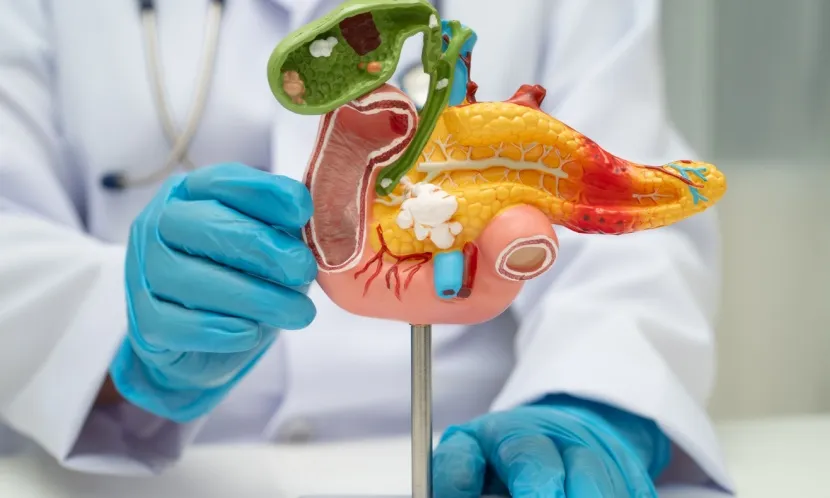
That lingering upper abdominal discomfort after fatty meals, frequent gas, or oily stools that won’t flush clean might seem like minor digestive issues—but they could be your pancreas quietly calling for help. Often overlooked, the pancreas plays a dual role: producing digestive enzymes to break down fats and secreting insulin to regulate blood sugar. When inflamed repeatedly, it can progress to chronic pancreatitis, a serious condition linked to a 10x higher risk of pancreatic cancer. Here’s how to recognize early signs and take action.
🔍 Is It Chronic Pancreatitis? Key Symptoms You Might Miss
Unlike acute pancreatitis (sudden, severe pain), chronic pancreatitis develops subtly. Watch for:
- Dull, persistent upper abdominal pain radiating to the back, worsening after fatty meals.
- Frequent gas and bloating due to undigested fats fermenting in the gut.
- Oily, foul-smelling stools (steatorrhea) that stick to the toilet bowl—a sign of fat malabsorption.
- Unexplained blood sugar spikes as insulin-producing cells get damaged
.
💡 Early-stage symptoms often mimic indigestion. If these persist, seek evaluation—pancreatic function can decline silently.
🚨 6 Major Risk Factors: Is Your Pancreas in Danger?
Chronic pancreatitis isn’t caused by alcohol alone. Key contributors include:
- Heavy Alcohol Use: Regular high intake (≥50g/day for >5 years) triggers enzyme activation within the pancreas, digesting its own tissue.
- Smoking: Independently damages pancreatic ducts and accelerates tissue fibrosis.
- Recurrent Acute Pancreatitis: Each episode scars the organ, leading to chronic dysfunction.
- Gallstones or Pancreatic Duct Obstructions: Blockages cause digestive enzymes to back up and inflame the pancreas.
- High Triglycerides or Calcium Levels: Elevated fats in blood directly irritate pancreatic cells.
- Autoimmune Conditions or Genetic Mutations: e.g., CFTR gene defects predispose to familial pancreatitis.
🧪 How Is Chronic Pancreatitis Diagnosed?
Doctors use a combo of imaging and labs:
| Test | Purpose |
|---|---|
| CT/MRI | Detects pancreatic atrophy, calcium deposits, or duct dilation. |
| MRCP | Non-invasive imaging of pancreatic/bile ducts for blockages. |
| Fecal Elastase-1 | Measures enzyme levels to assess digestive function. |
| Blood Tests | Check amylase/lipase (may be normal in chronic cases) and glucose/HbA1c for diabetes screening. |
💡 6 Actionable Habits to Protect Your Pancreas
✅ 1. Eliminate Alcohol Completely
Even moderate drinking can exacerbate inflammation. Abstinence is the most effective intervention to halt progression.
✅ 2. Quit Smoking
Smokers develop pancreatitis 3x more often than non-smokers. cessation slows fibrosis and reduces cancer risk.
✅ 3. Adopt a Pancreas-Friendly Diet
- Low-fat, high-fiber foods: Emphasize vegetables, lean proteins, and whole grains.
- Avoid triggers: Fried foods, processed meats, and sugary snacks strain enzyme production.
- Small, frequent meals: Prevent overloading the pancreas with large fat loads.
✅ 4. Control Blood Lipids and Calcium
- Monitor triglycerides (<150 mg/dL) and calcium levels annually.
- Use medications (e.g., fibrates) if lifestyle changes aren’t enough.
✅ 5. Treat Gallstones Promptly
Gallstone-related blockages are a leading cause. Discuss gallbladder removal if stones recur.
✅ 6. Regular Screenings for High-Risk Groups
Those with family history or genetic risks should undergo periodic imaging (e.g., annual ultrasound/CT).
🥗 Sample Daily Meal Plan for Pancreas Health
| Meal | Options |
|---|---|
| Breakfast | Oatmeal with berries + scrambled egg whites |
| Lunch | Grilled chicken salad with quinoa and lemon dressing |
| Dinner | Baked salmon with steamed broccoli and sweet potato |
| Snacks | Greek yogurt, apple slices, or carrot sticks |
🌱 Avoid alcohol, creamy sauces, and processed snacks. Opt for baking/steaming over frying.
💎 Bottom Line
Chronic pancreatitis is often preventable. By recognizing early signals like persistent upper abdominal pain, oily stools, and unexplained blood sugar changes—and adopting alcohol-free, low-fat habits—you can significantly reduce risks. Prioritize regular check-ups if you have risk factors, and remember: your pancreas thrives on consistency, not extremes.
Your daily choices today determine your pancreatic health tomorrow.